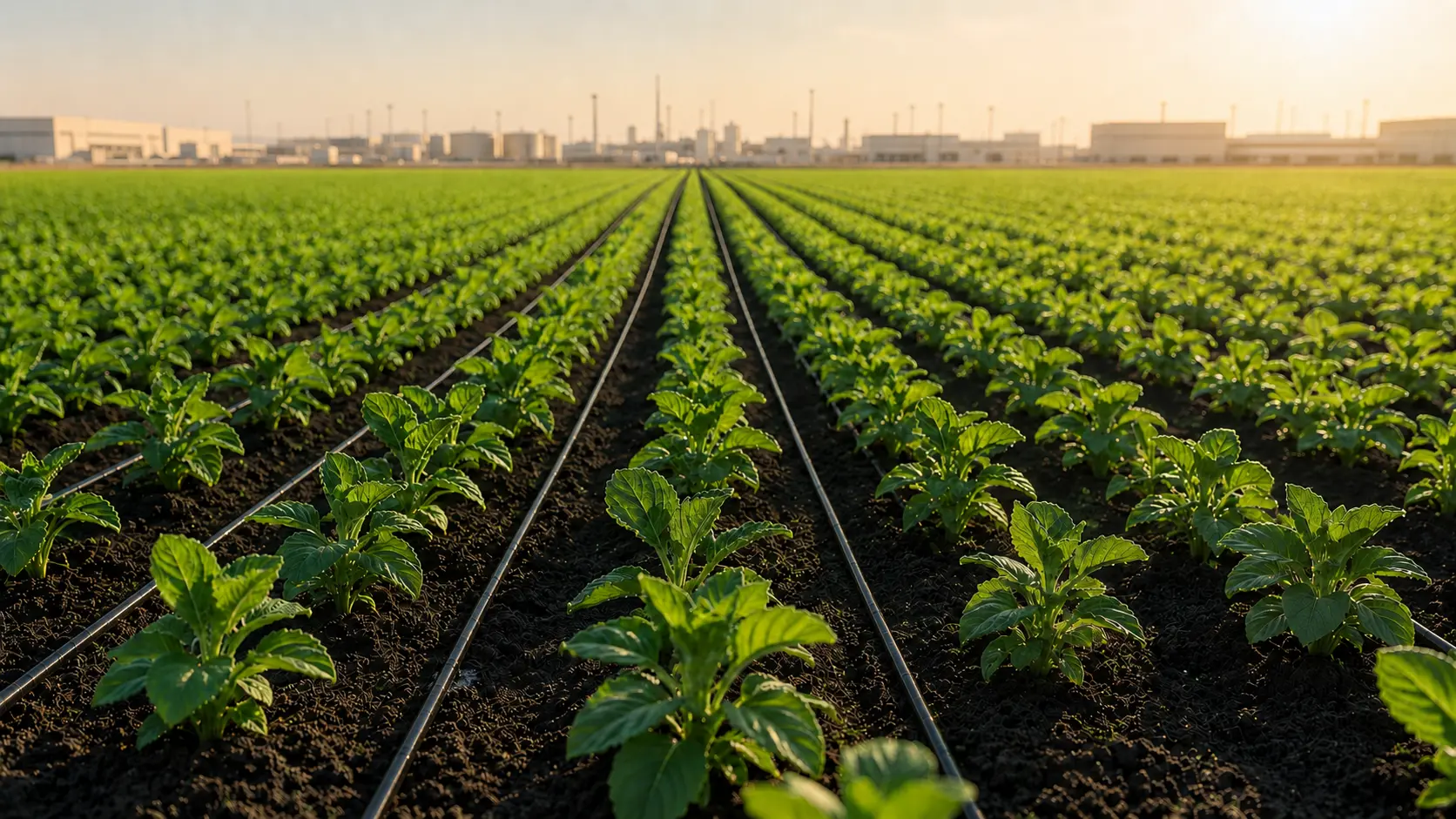
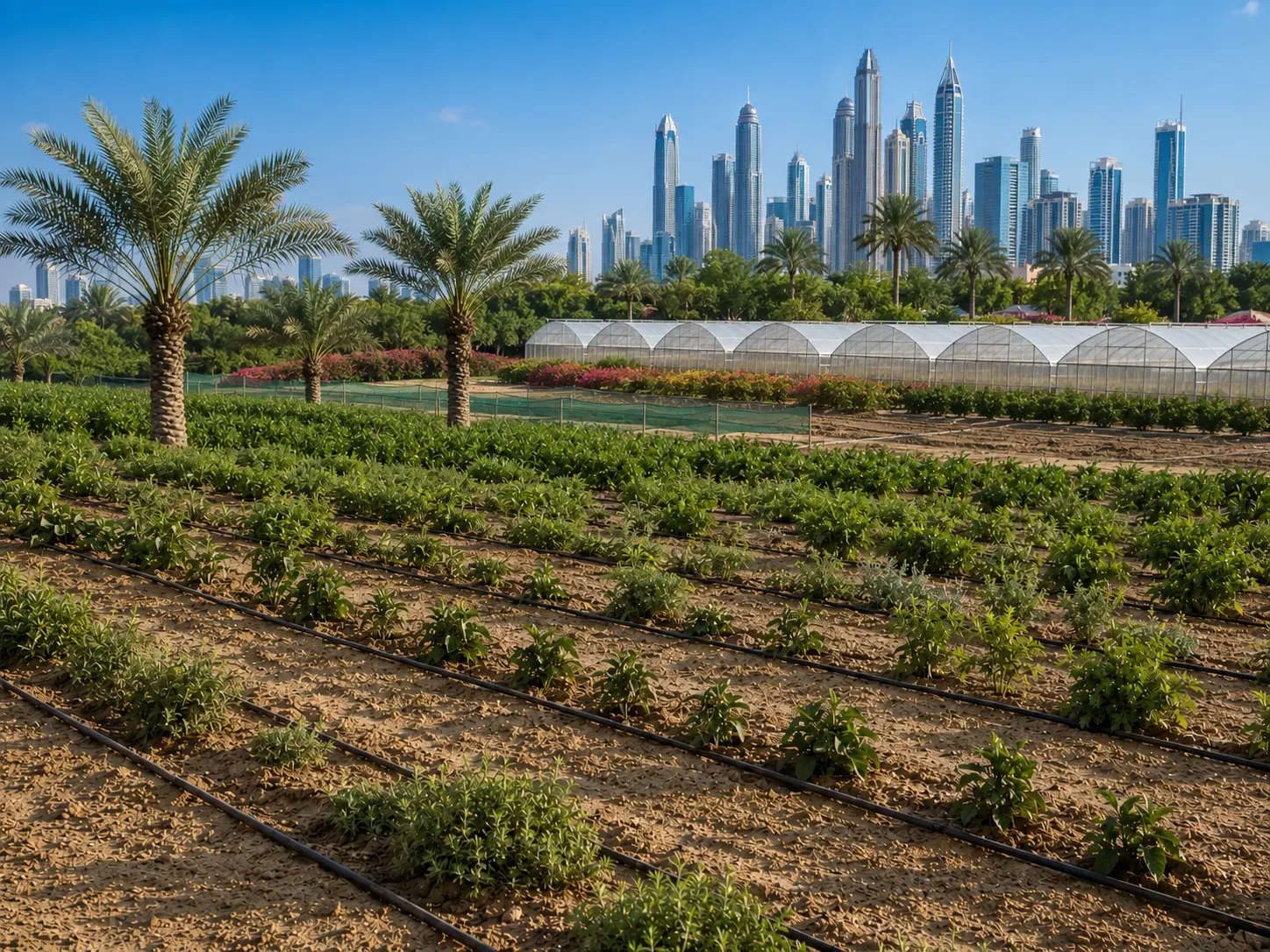
Modern drip irrigation transformed landscape irrigation by replacing high-volume surface watering with controlled, low-flow water delivery.
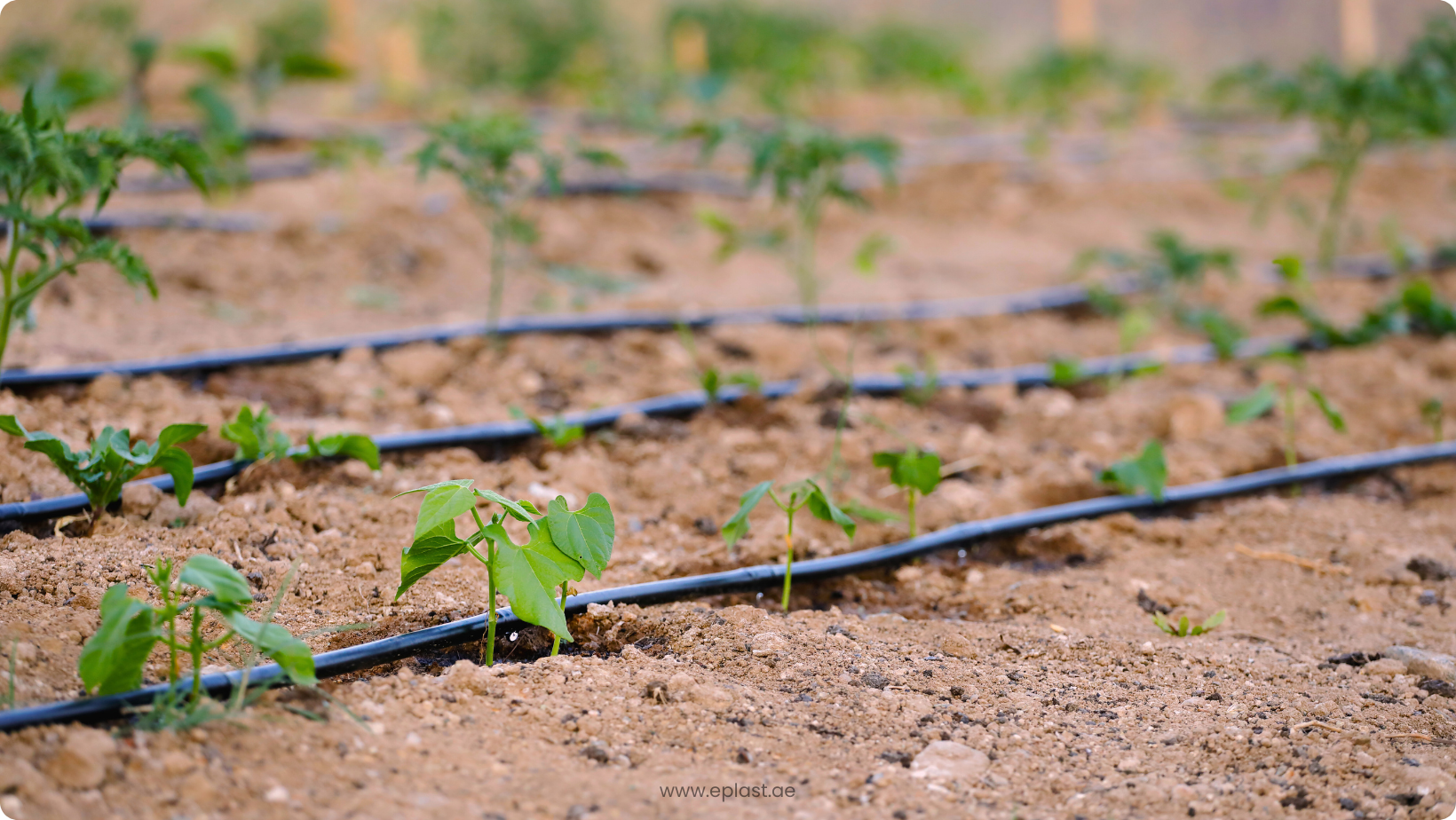
Instead of spraying water over large areas, drip irrigation releases small, measured quantities of water directly into the soil surrounding each plant.
This simple yet highly effective concept provides several important advantages.
Water reaches the root zone rather than surrounding surfaces, reducing losses caused by evaporation, runoff, and overspray.
Consistent moisture encourages roots to grow deeper and establish healthier plants that are better able to tolerate periods of heat and environmental stress.
Because water is applied only where required, pathways, walls, patios, outdoor furniture, and paved areas remain cleaner and drier.
Accurate irrigation reduces plant stress, minimises replacement costs, and helps maintenance teams operate more efficiently.
Weeds thrive where excess moisture is available. By limiting irrigation to planting areas, drip systems reduce unwanted vegetation between paving blocks and around landscaped features.
These advantages explain why drip irrigation has become the preferred specification for many residential, commercial, and public landscaping projects throughout the region.
Today’s irrigation systems are no longer simply networks of pipes and valves.
Advances in technology now allow irrigation to be managed with remarkable precision.
Modern systems can integrate:
These technologies enable landscape managers to optimise irrigation schedules, respond to changing weather conditions, and reduce unnecessary water use without compromising plant health.
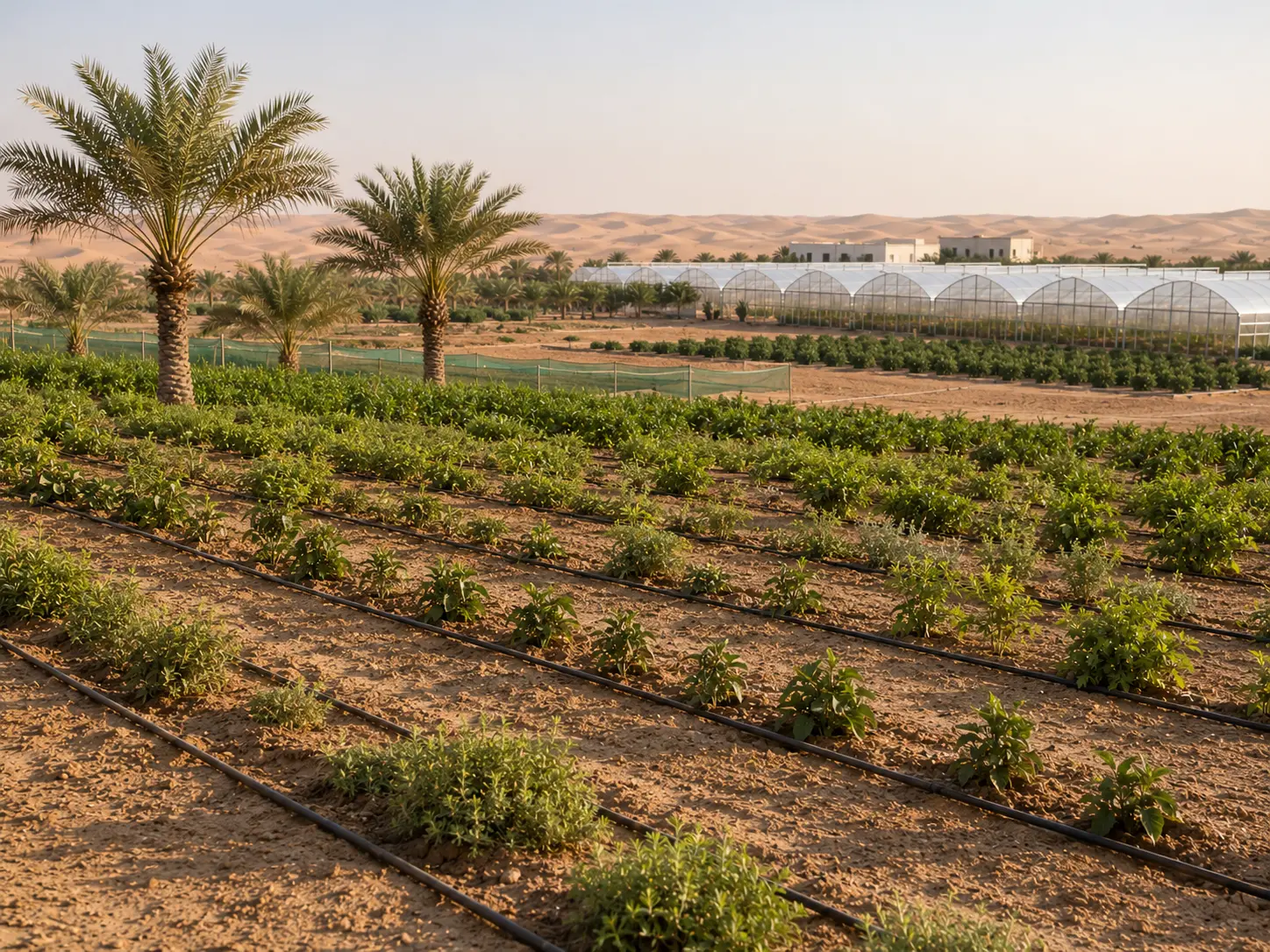
Water conservation is an important part of the UAE’s long-term sustainability strategy.
Government authorities, municipalities, developers, and infrastructure planners increasingly prioritise irrigation systems that:
Drip irrigation aligns closely with these objectives because it combines precision, reliability, and efficient resource management.
For this reason, it is now widely specified for:
As cities continue to expand across the UAE and the wider GCC, efficient irrigation will remain a fundamental part of responsible landscape design.
One of the biggest changes we’ve seen in recent years is that irrigation is no longer judged solely by whether plants survive. Today, developers and consultants also evaluate water efficiency, lifecycle costs, ease of maintenance, and long-term reliability. A well-designed irrigation system should not only keep landscapes green but also reduce operating costs, simplify maintenance, and contribute to sustainable water management. In many projects, investing in higher-quality components at the design stage proves far more economical than frequent repairs and replacements later.
© 2025 Created by Eplast.ae